

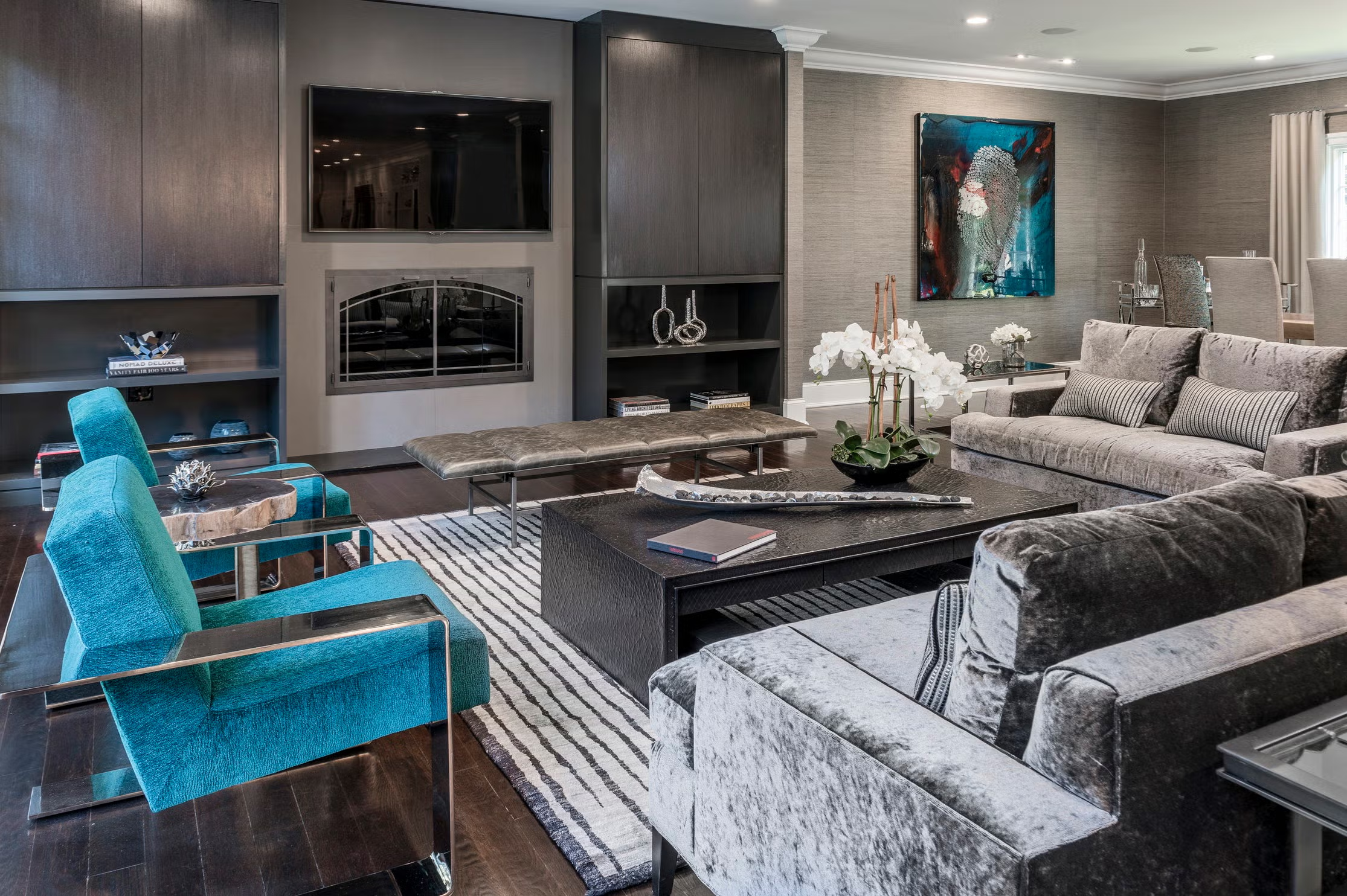
Open-concept living spaces have become one of the most popular trends in modern home design. They create a sense of openness, improve natural light flow, and make homes feel larger and more connected. However, designing an open-concept space requires careful planning to ensure functionality, balance, and visual harmony.
Understanding Open-Concept Living
An open-concept living space removes traditional walls between key areas such as the living room, dining room, and kitchen. This creates a unified environment that promotes interaction and flexibility.
While the design feels spacious and modern, it also requires thoughtful zoning to maintain structure and organization.
To explore modern furniture and decor solutions for open spaces, visit for more details on Auvris Official Website
Defining Functional Zones
Even without walls, it is important to define separate functional areas. Each zone should have a clear purpose, such as lounging, dining, or cooking.
You can use furniture placement, rugs, or lighting to visually separate these areas. This helps maintain order while preserving the open feel.
Clear zoning improves both usability and comfort.
Choosing Consistent Design Elements
Consistency is key in open-concept spaces. Since all areas are visible at once, mismatched styles can create visual chaos.
Using a consistent color palette and complementary furniture styles helps create harmony. This ensures that the entire space feels unified and well-designed.
A cohesive look enhances the overall aesthetic.
Using Furniture to Create Structure
Furniture plays a major role in defining space in an open layout. Sofas, shelves, and tables can act as natural dividers.
For example, a sofa can separate the living area from the dining space without blocking light or openness. Strategic placement improves flow and organization.
Furniture-based zoning is both practical and stylish.
Maximizing Natural Light
Open-concept designs often benefit from increased natural light. Without walls blocking windows, sunlight can travel freely throughout the space.
Using light curtains, reflective surfaces, and minimal window coverings can enhance brightness. Natural light makes the space feel larger and more inviting.
Maximizing daylight improves both mood and energy efficiency.
Selecting the Right Lighting Layers
Lighting is essential in open spaces to define zones and create ambiance. A combination of ambient, task, and accent lighting works best.
Pendant lights over dining tables, floor lamps in seating areas, and recessed lighting in kitchens help distinguish each zone.
Layered lighting adds depth and functionality.
Maintaining Visual Balance
Balance is important in large open areas to avoid empty or overcrowded sections. Furniture and decor should be distributed evenly throughout the space.
Avoid clustering all items in one area, as this can disrupt flow. A well-balanced layout feels natural and comfortable.
Visual balance enhances harmony and usability.
Choosing Multi-Functional Furniture
Multi-functional furniture is especially useful in open-concept spaces. Items like storage ottomans, extendable tables, and modular sofas increase flexibility.
These pieces help you adapt the space for different activities while maintaining a clean look. Functionality is essential in modern design.
Versatile furniture improves efficiency and comfort.
Creating a Strong Focal Point
Every open space benefits from a focal point that draws attention. This could be a fireplace, a large sofa, or a statement lighting fixture.
A focal point helps anchor the design and provides visual structure. It prevents the space from feeling too scattered.
A well-defined focal point enhances design clarity.
Incorporating Rugs for Definition
Rugs are an effective way to define different zones within an open layout. Each area can have its own rug to distinguish function.
This adds warmth and texture while helping organize the space visually. Rugs also contribute to comfort and acoustics.
They are both decorative and functional elements.
Maintaining Flow and Movement
Open-concept spaces should allow easy movement between areas. Avoid placing furniture in ways that block pathways or create obstacles.
A smooth flow enhances comfort and makes the space more practical for daily use. Good circulation is essential for usability.
Proper spacing improves functionality and experience.
Adding Personal Style Elements
Personal touches make an open space feel unique and inviting. Artwork, decorative items, and plants can add character without cluttering the design.
Choose items that complement the overall style of the space. Avoid over-decorating to maintain simplicity.
Personalization adds warmth and identity.
Avoiding Common Design Mistakes
One common mistake is failing to define zones clearly, which can make the space feel confusing. Another is using too many contrasting styles, which disrupts harmony.
Overcrowding the space with furniture can also reduce the sense of openness. Careful planning helps avoid these issues.
A thoughtful approach ensures better results.
Conclusion
Designing a modern open-concept living space requires balance, planning, and consistency. By defining zones, maintaining visual harmony, and using the right furniture and lighting, you can create a space that is both functional and stylish.
Open layouts offer flexibility and a sense of spaciousness, but they must be carefully structured to remain comfortable. With the right design choices, you can achieve a modern home that feels connected, elegant, and inviting.
For more inspiration and premium open-concept furniture solutions, visit for more details on https://auvris.com/
